
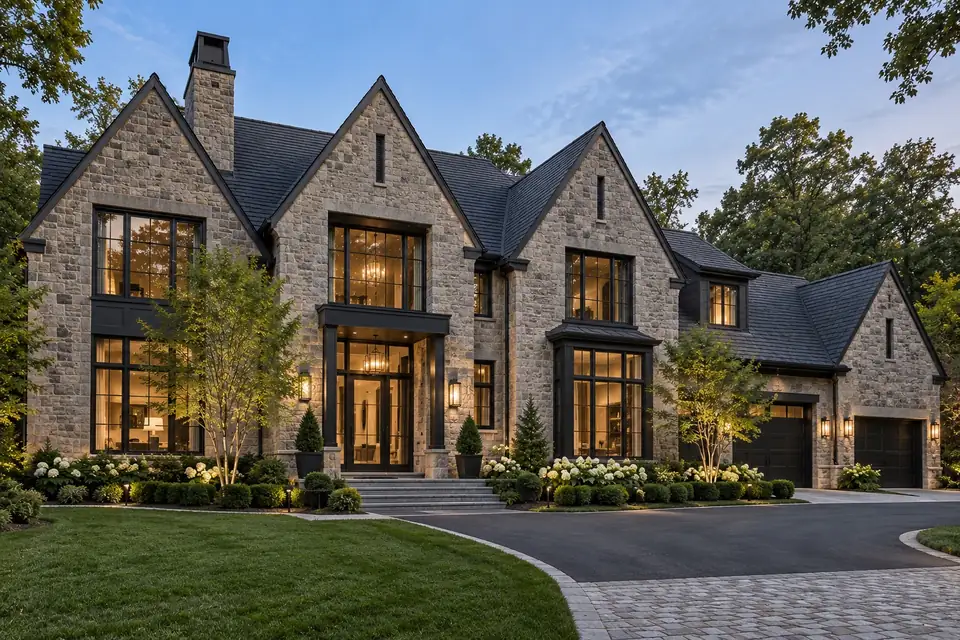
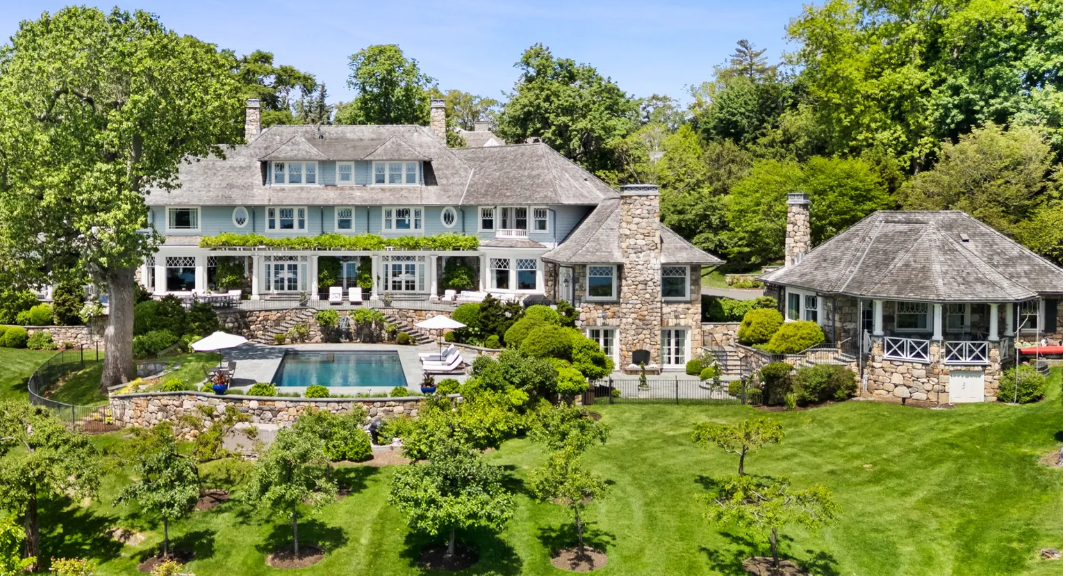
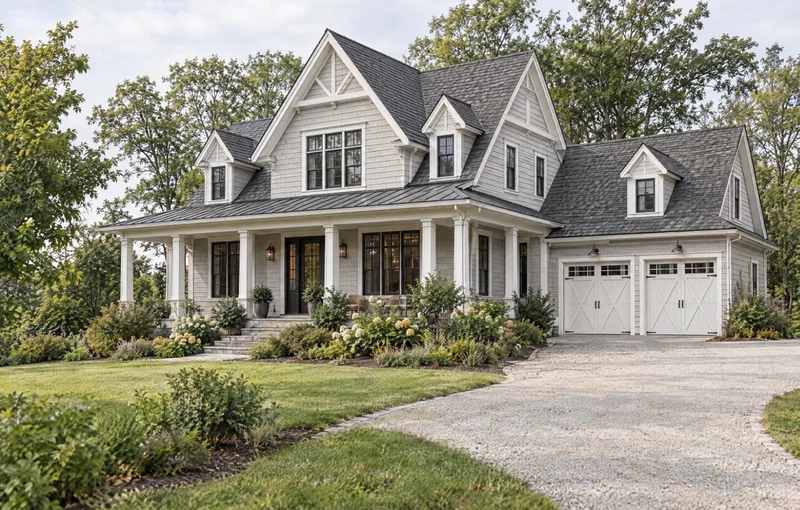
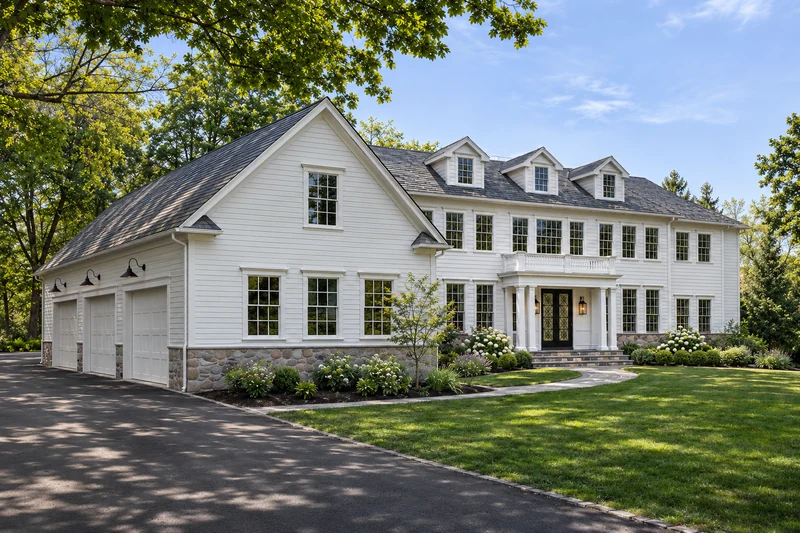
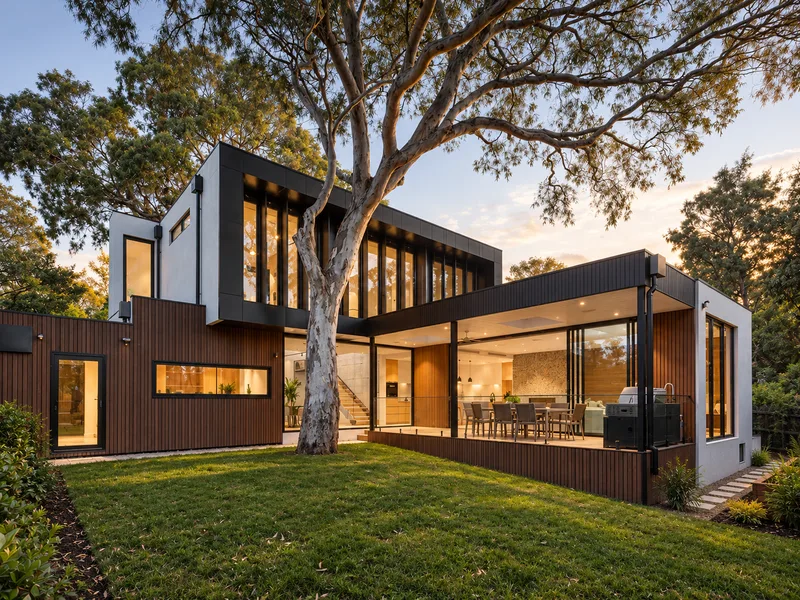
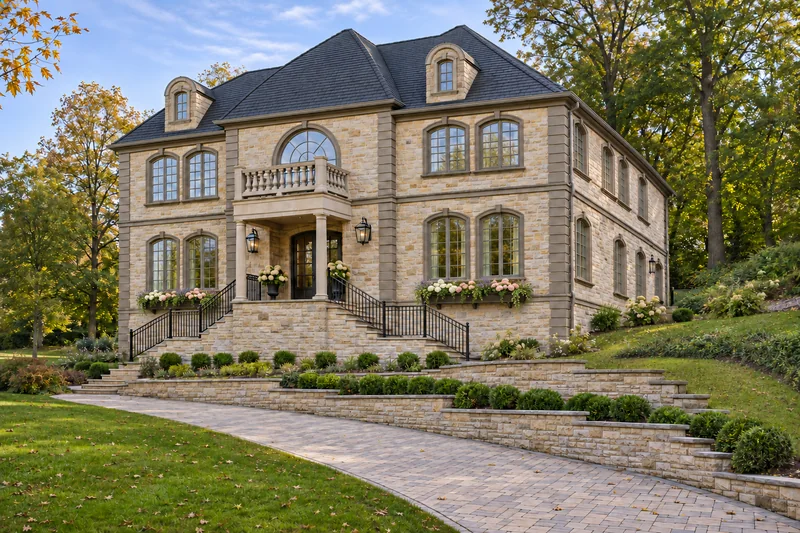
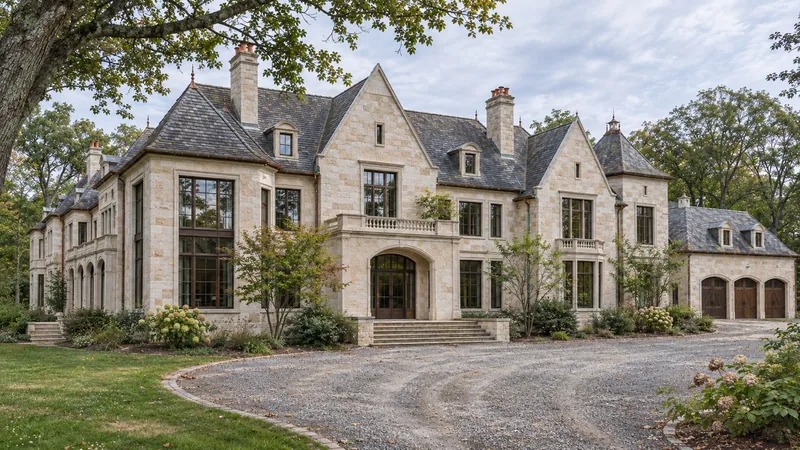
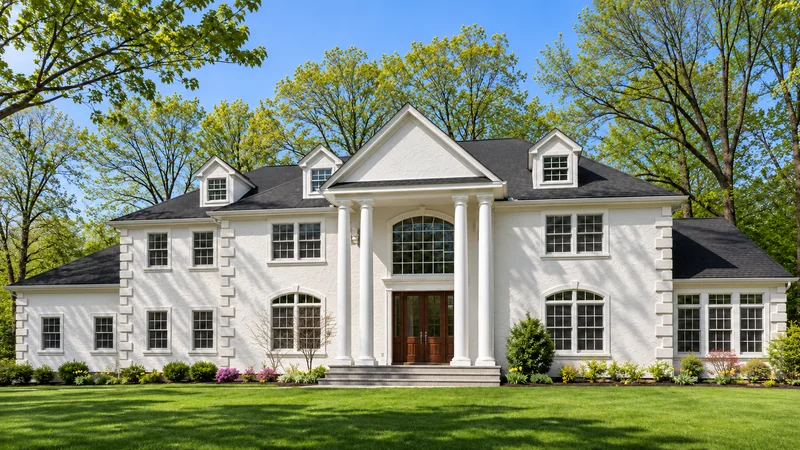
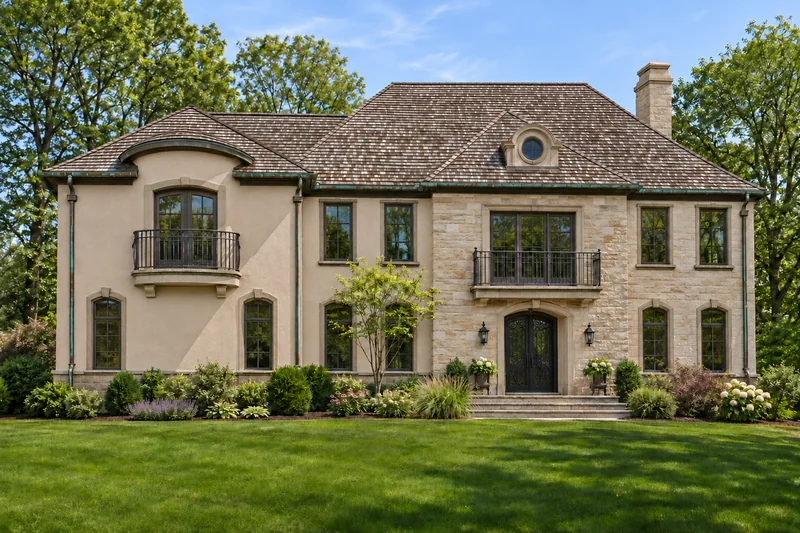
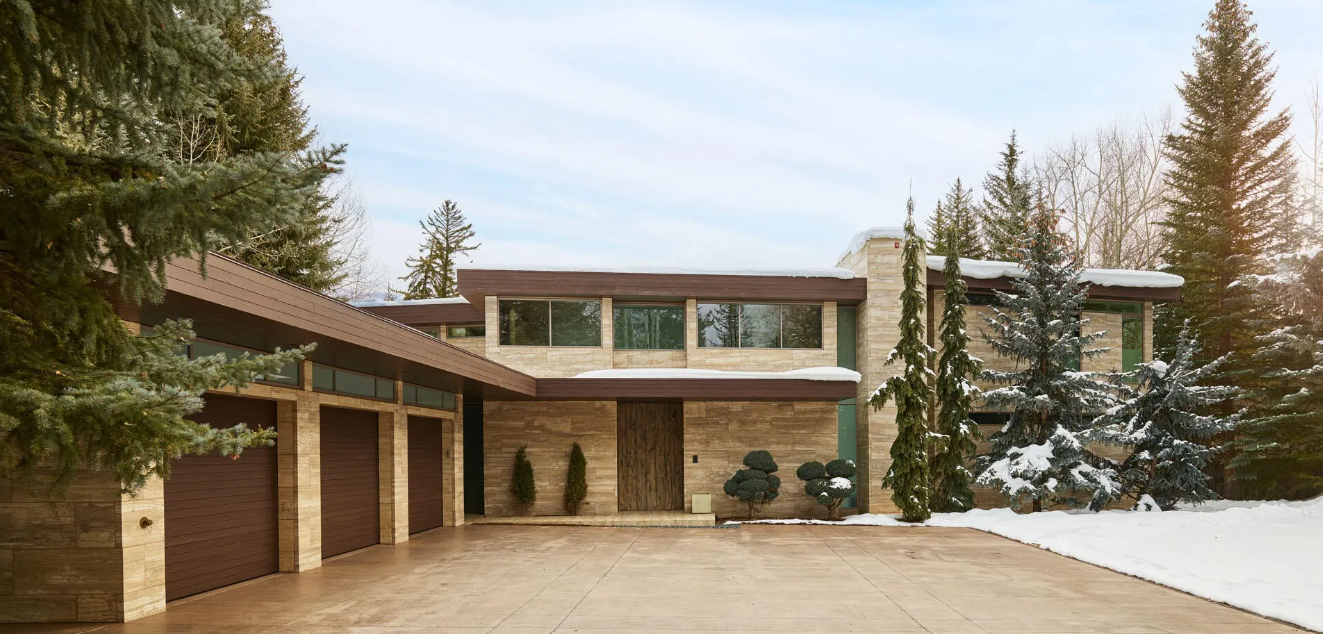
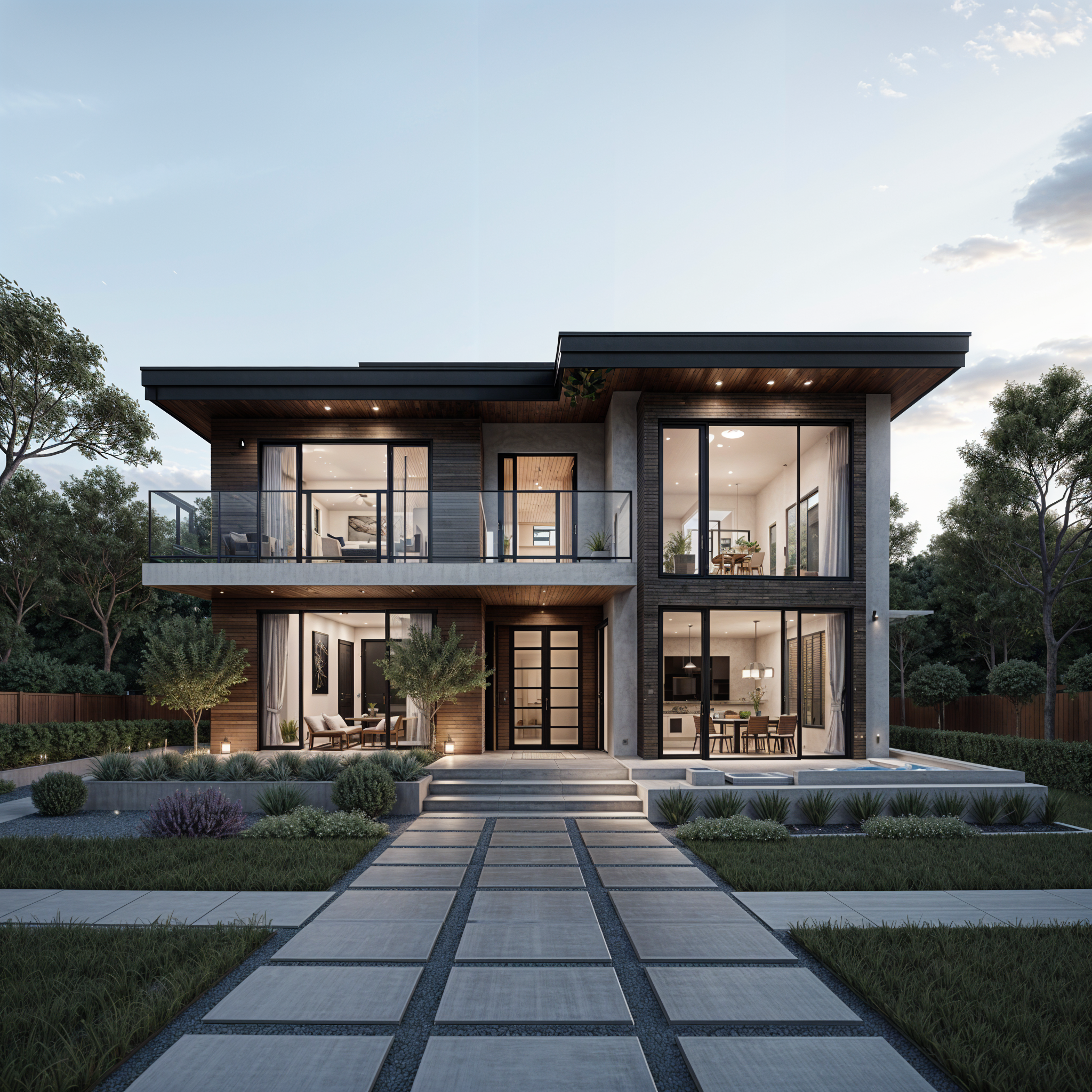
A successful custom home starts with decisions made before excavation: whether the property can support the home, what the complete budget covers, and who is responsible for each stage. Use this guide to prepare for a conversation with Deerpath and compare builders on a consistent basis.
Step 1: Define the Home and the Investment
Separate must-have rooms and everyday needs from optional features. Share your target town, property status, approximate size and overall investment range. Distinguish money allocated to the land from design, site work and the house itself. The first conversation should identify what is known, what needs investigation and which decisions come next.
Step 2: Test the Property Before Finalizing the Plan
Gather the survey and any existing plans or reports. Setbacks, access, grading, drainage, utilities and applicable site restrictions can change the usable building area and budget. A teardown also needs a plan for existing structures and utility disconnections. Identify where an architect, surveyor, engineer or other specialist needs to investigate; an attractive listing is not proof of buildability.
Step 3: Align Drawings, Selections and Budget
Develop the room layout and exterior with the budget in view. Record finish allowances, structural assumptions, owner-supplied items and exclusions. Windows, cabinetry, mechanical systems and specialty finishes should be considered before they become late changes. Review the selection planning guide and custom home budget guide.
Step 4: Confirm Approvals and Construction Readiness
Clarify the approvals and documents required for the specific property, who prepares them and who pays for them. Before work begins, review the construction agreement, drawings, specifications, payment milestones and expected sequence. Approval timing and third-party requirements are project-specific, so an early target date should not be treated as a guaranteed start.
Step 5: Manage Construction and Decisions
Agree on the day-to-day contact, progress updates and how questions will be resolved. Track selections and long-lead orders against the schedule. When the scope changes, document the description, cost and schedule effect before authorizing the work. Site conditions, weather, inspections and material availability can affect the sequence.
Step 6: Document the Handover
Walk the home together and record any outstanding items and the plan to address them. Confirm the required occupancy approvals, operating information and applicable warranty documents. Ask whom to contact after move-in and how a service request should be submitted. The project agreement governs the final responsibilities.
A Practical NJ Custom Builder Comparison Checklist
Ask every builder the same questions, then compare written answers rather than the lowest headline number:
- Relevant work: Can you review completed homes of a similar scope and speak with appropriate references?
- Responsibilities: Who coordinates design, engineering, approvals, construction and selections?
- Budget clarity: Are site work, allowances, exclusions and contingency identified against the same drawings?
- Communication: Who is your regular contact, and how are decisions and changes documented?
- Schedule: Which assumptions, owner decisions and long-lead items determine the milestones?
- Verification: Ask for current registration, insurance and applicable warranty information for your project rather than relying on an online badge alone.
Learn about Deerpath and read client feedback with links to the original Google reviews. Bring the checklist to your consultation so the conversation addresses your property and priorities.
Contact Deerpath Custom Builders at (908) 499-0626 or schedule a consultation.
Project Questions and Answers
How long does it take to build a custom home in NJ?
Timing depends on the property, design, approvals, scope and material lead times. Review a project-specific schedule that separates planning and permitting from construction, and identify the assumptions behind each milestone.
What is the first step to building a custom home in NJ?
Start with a consultation and site evaluation before purchasing land or finalizing plans.